Everyone is building AI agents. Almost none of them work together.
Thirty thousand people, an exhibition floor of companies building on top of each other, and one question underneath all of it. Notes from the Databricks Data and AI Summit.
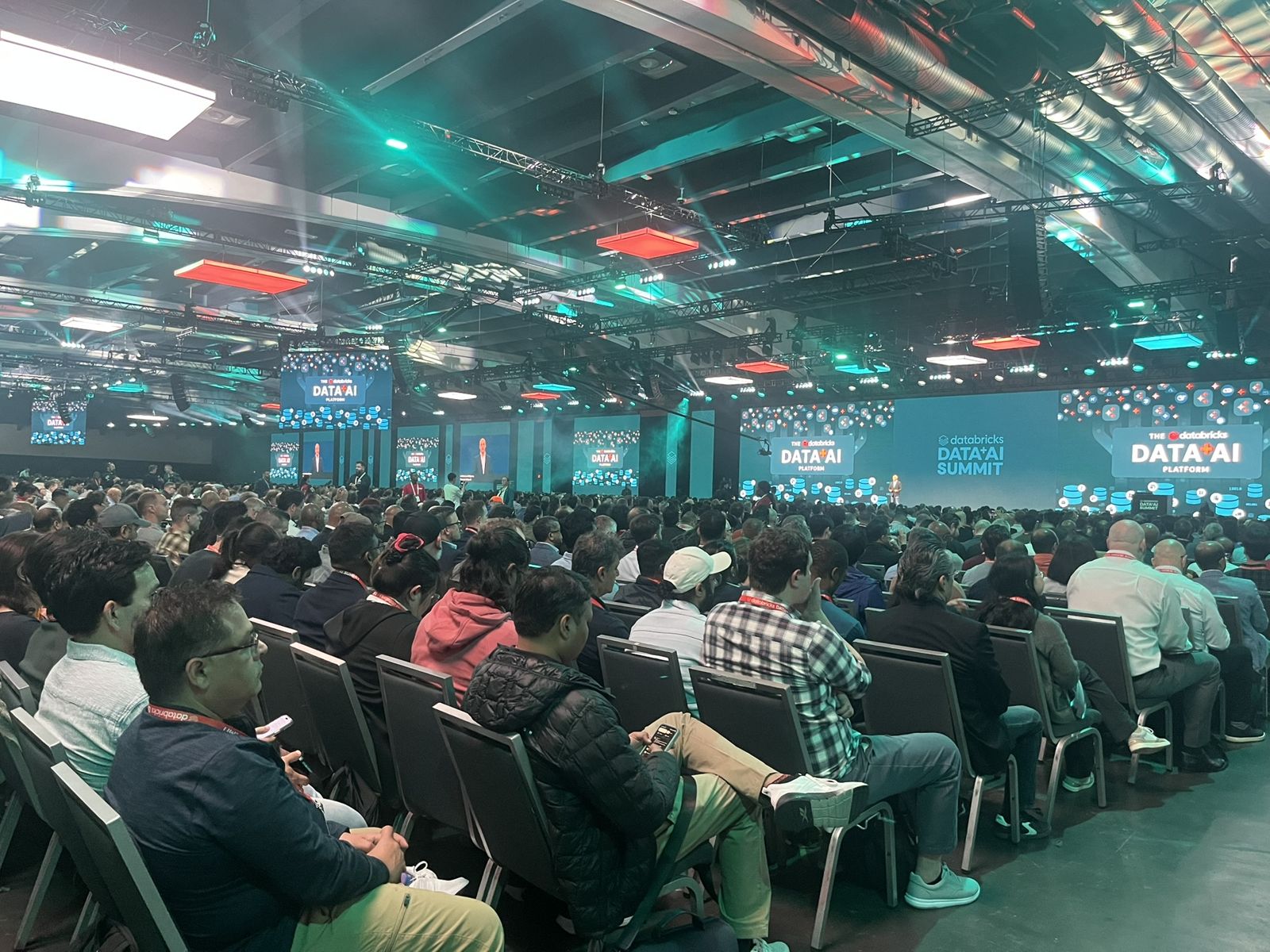
I cleared my agenda and went to San Francisco. One of the stops was the Databricks Data and AI Summit. More than thirty thousand people, an exhibition floor full of companies building on top of each other, and a week of keynotes about where data and AI are heading.
I am not an engineer. I went to understand what shift is going on. Here is what I came home with.
What Databricks does, in one breath
Most organisations sit on a huge pile of data. Documents, videos, logs, years of work, scattered across systems that do not talk to each other. Databricks builds the tools to gather that data, clean it, analyse it, and now put AI to work on top of it. In a few years they have gone from a useful player to one of the companies the giants are watching. A big client of ours has exactly this problem: endless data they want to bring together. So I wanted to see it up close.
The dog and the harness
The image that stayed with me came from a talk about a new tool they call Omnigent.
Picture a dog in a harness. The agent is the dog. The harness is the layer around it that lets you actually steer.
The point underneath was simple, and the main theme of the summit. Everyone is building AI agents now. Every team, every vendor, their own little workers. But each one sits in its own harness, and the harnesses do not connect. So we spend our days copy-pasting between boxes, tools and chat windows, stitching the work together by hand. (I recognize this, do you?).
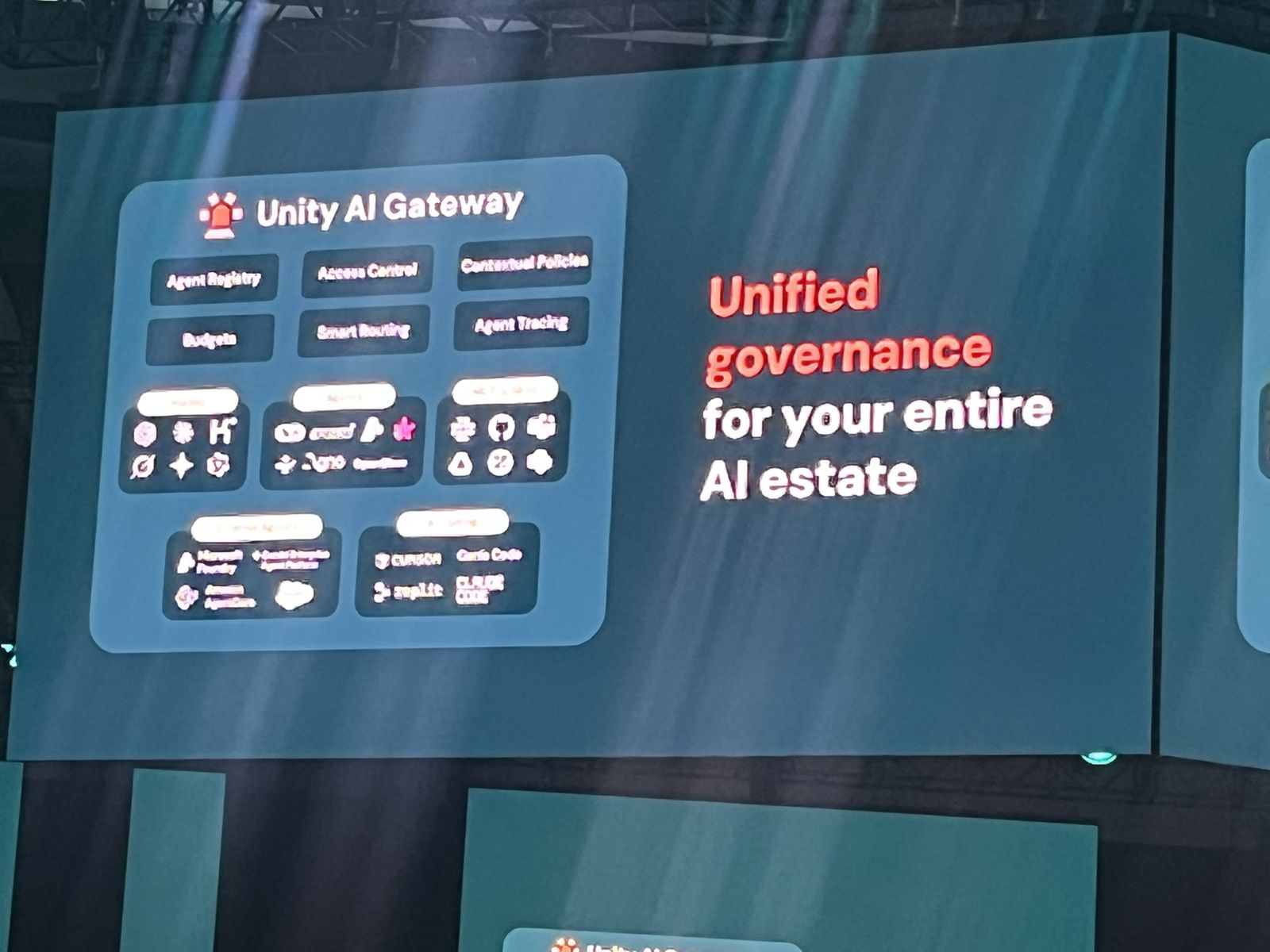
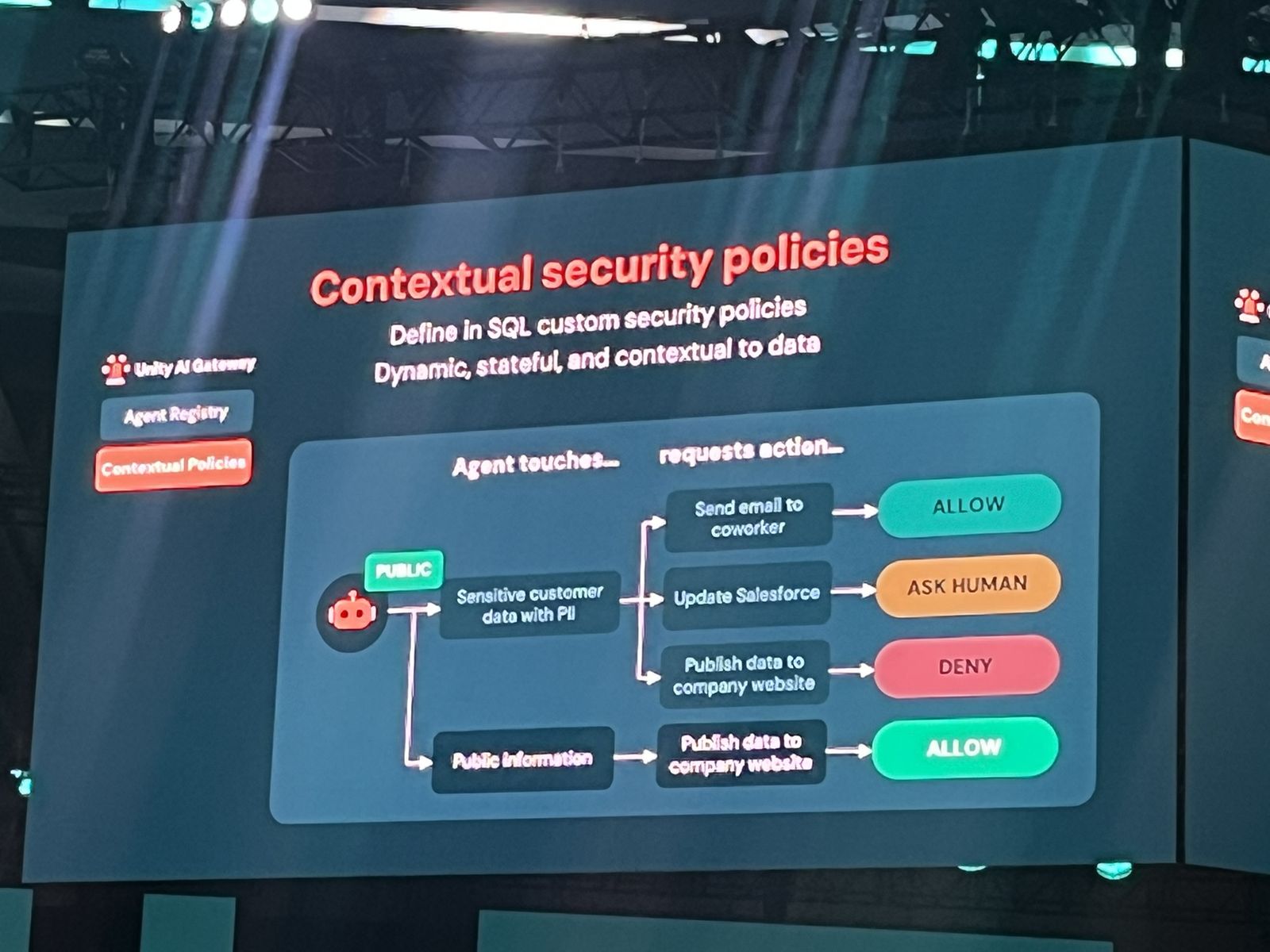
Databricks’ answer is to build an open layer above all the harnesses. A way to combine agents, control them, and, this is the part that made me sit up, collaborate live inside an agent session. Invite someone in. Comment on the same files. Work together instead of forwarding screenshots.
This is both a framing, a context, a skills, and a collaboration problem. Same as when designing and facilitating workshops: get the purpose right first, set the scene, have the right skills in the room, and then orchestrate the collaboration. With AI it is showing up between machines, and between people and machines. For someone who works with visual collaboration, that lands close to home.
The red cloth waved
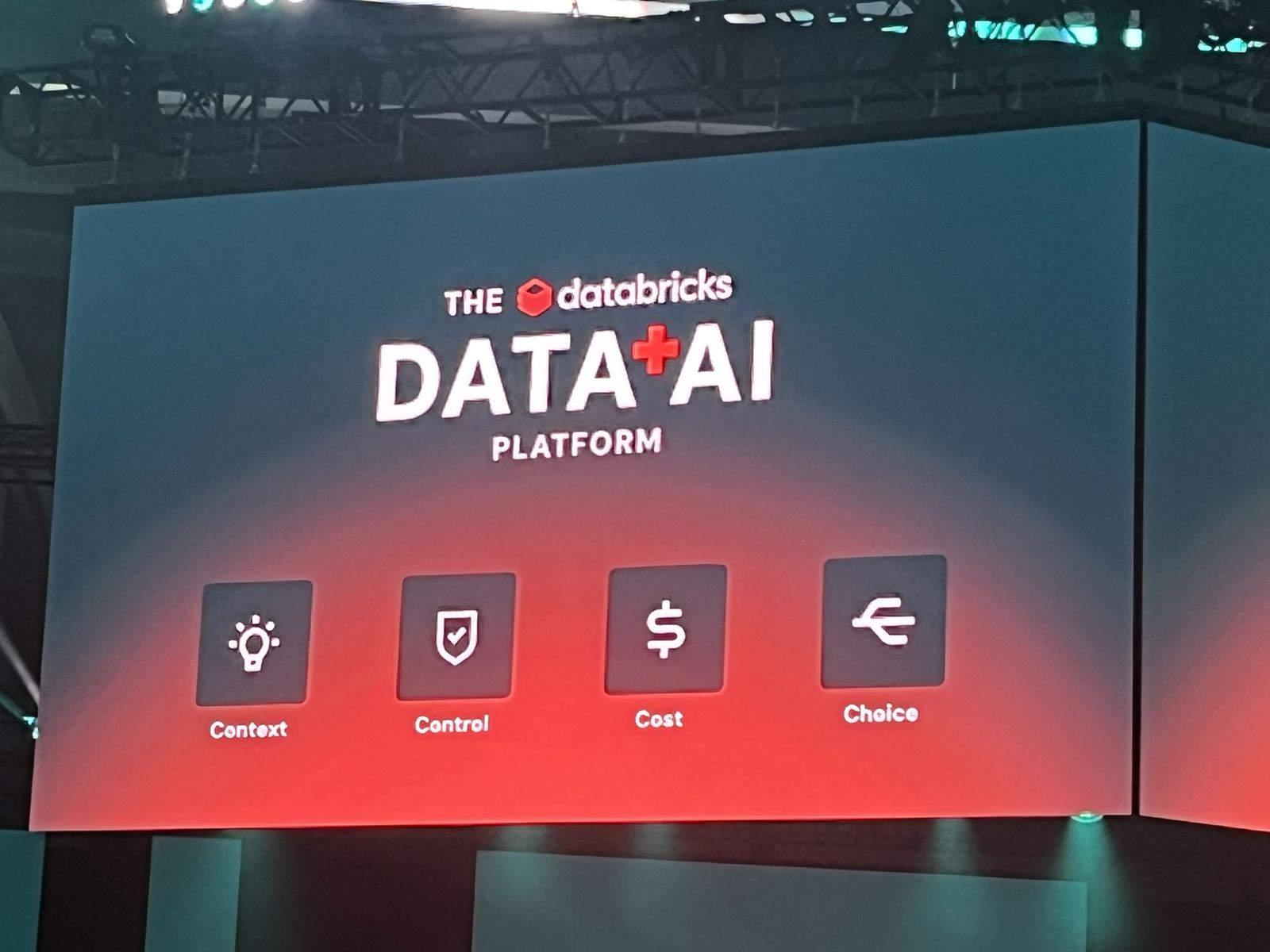
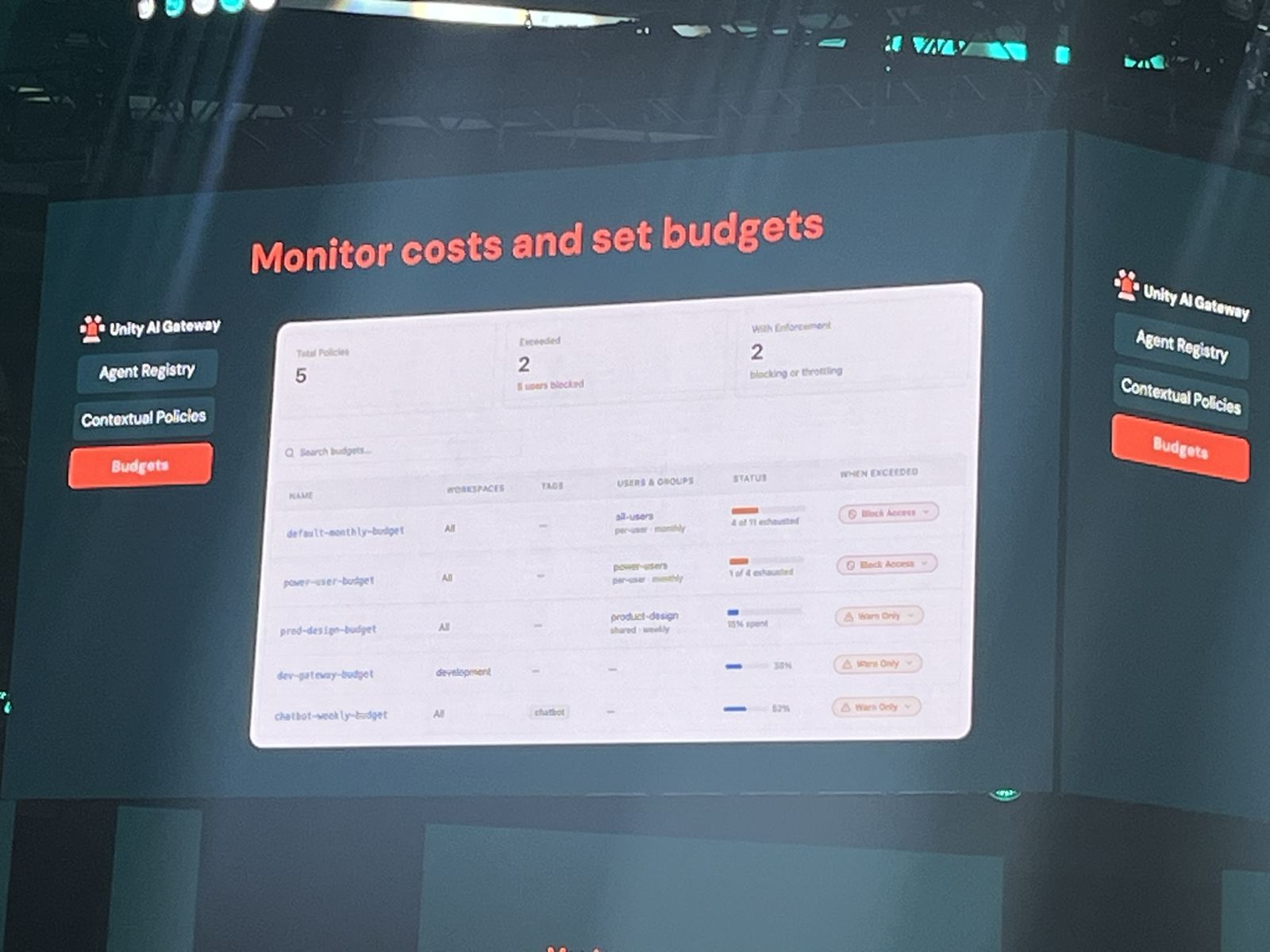
Around the edges of all the capability, one word kept surfacing in conversations. Cost.
There is a growing worry that there is not enough compute for all the promises being made. Data centres do not appear overnight. Even Databricks’ own new agent tools now weigh quality against cost, because running everything at full power for everything is not realistic.
The gap will be between those who can pay for the strongest, fastest models and those who cannot.
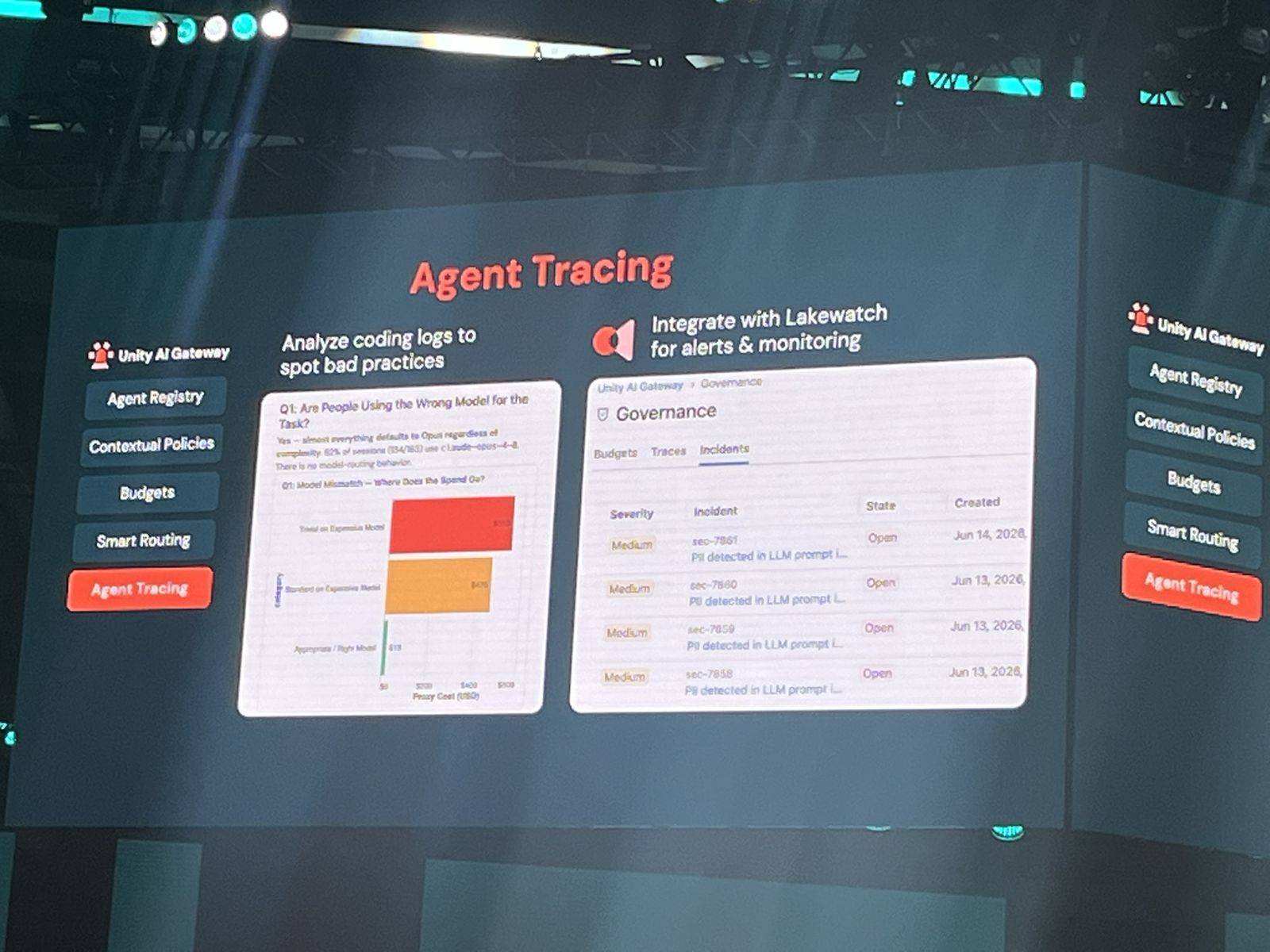
And leadership teams are already feeling the other side of it. They unleashed a lot of AI, and now they are paying for tokens spent on work nobody really needed. Output that was never designed, never put in context, just produced because it could be.
The question I brought back
I feel that last part on a small scale for us in Bigger Picture too. In our own work I can suddenly produce endless documents and analyses. Not because they matter. Because I can. Quickly turn a bunch of stickies into a research paper. Spin up three new web pages and so on.
So the real question is not how much AI you can add. It is: are you doing the right things, or just doing things right?
We have been working this out ourselves. Failing fast, going back and forth, slowly finding the uses that actually mean something. And every time we find a rhythm, a new model arrives and we reorient again. That is the strange weather of this moment, and pretending otherwise does not help.
I went to San Francisco to get a sense of the wave. It is real, it is fast, and most of the interesting questions are not technical. They are about what we choose to do with it.
More from the trip soon.
From the summit
Arrival, the scale of it, and the slides that stuck. Swipe through.